

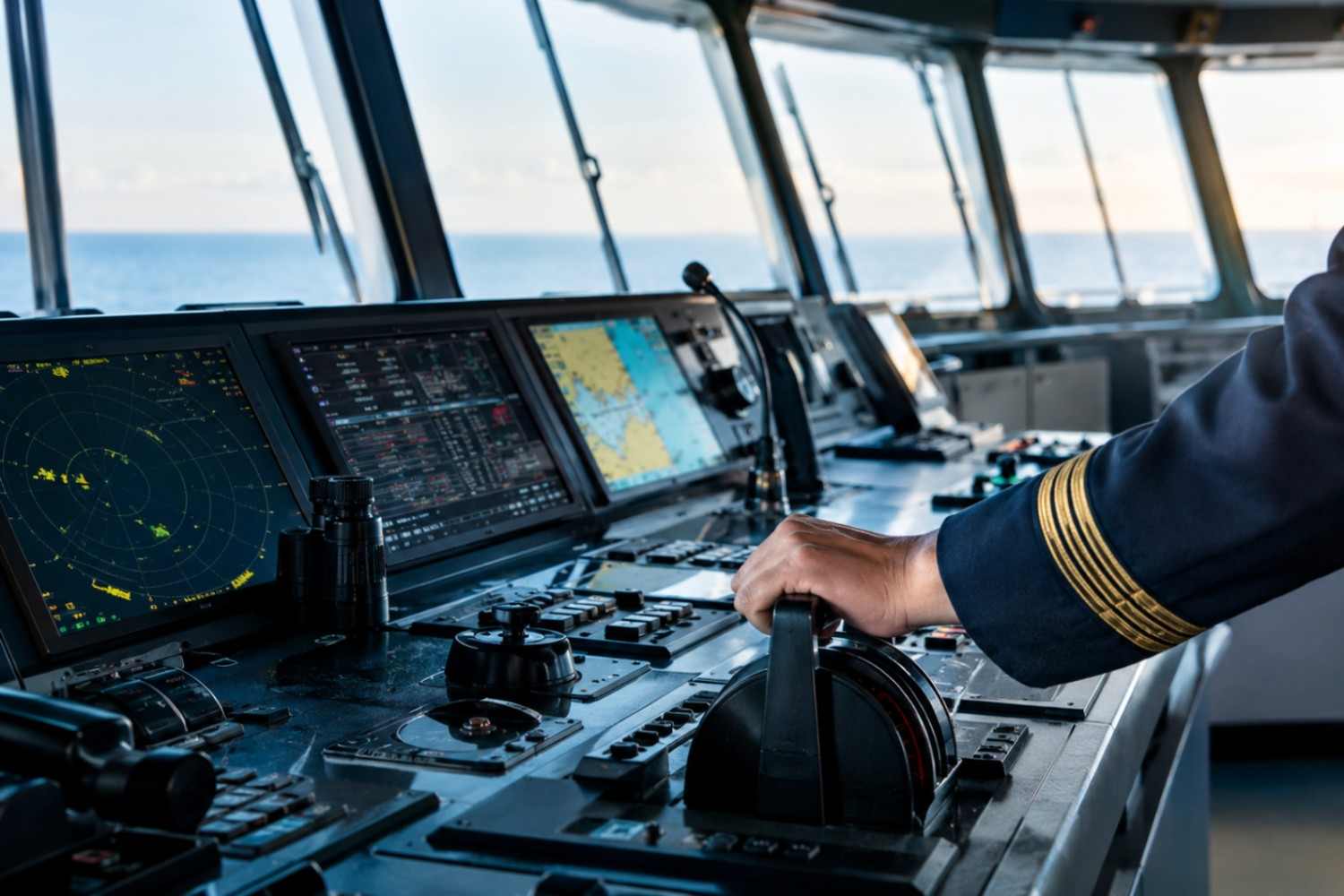
A vessel’s automation system plays a central role in monitoring equipment, controlling processes, managing alarms, and supporting safe and efficient operations. As ships remain in service for years, however, their automation systems can become outdated, difficult to maintain, or incompatible with newer equipment.
Retrofitting does not always mean replacing an entire automation system. In many cases, targeted upgrades to controllers, sensors, HMIs, communication networks, monitoring systems, or control panels can significantly improve reliability and functionality while allowing the vessel to continue using suitable existing equipment.
Knowing when a system needs attention is important. Delaying a retrofit can result in repeated faults, unavailable spare parts, inefficient operation, and increasing maintenance costs. Here are the common signs that indicate it may be time to evaluate marine automation retrofitting for your vessel.
1. Frequent Automation Failures Are Becoming Normal
Occasional faults can occur in any marine control system. The concern begins when failures become frequent enough to affect routine vessel operations.
Repeated problems such as controller failures, communication errors, unexplained shutdowns, unstable readings, or recurring alarm faults can indicate that the automation infrastructure is reaching the end of its practical service life.
Look for recurring issues such as:
- PLC or controller failures
- HMI freezes or unexpected restarts
- Repeated communication faults
- Unstable sensor readings
- Intermittent control signals
- Frequent alarm activation
- Loss of monitoring data
- Repeated equipment resets
If technicians are repeatedly repairing the same components without resolving the underlying problem, a broader automation assessment may be more appropriate than another temporary repair.
2. Replacement Parts Are Becoming Difficult to Source
Obsolete equipment is one of the clearest reasons to consider vessel automation retrofit.
Older PLCs, control cards, HMIs, communication modules, sensors, and other automation components may eventually be discontinued by manufacturers. Even when parts are still available, sourcing them can become slower and more expensive.
This creates a practical problem for vessel operators. A relatively small component failure can potentially result in extended downtime if the required replacement is no longer readily available.
Obsolescence can affect:
- PLC hardware
- I/O modules
- Operator panels
- Control cards
- Communication interfaces
- Sensors and transmitters
- Drives and controllers
- Proprietary software
Retrofitting critical components before they become completely unavailable can make maintenance planning more predictable.
3. Your HMI or Control Interface Looks Outdated
The human-machine interface is where operators interact with the automation system. An outdated interface can make it harder to understand equipment status, identify faults, and respond to alarms quickly.
Older systems may have limited displays, complicated navigation, poor alarm visibility, or interfaces that are difficult for modern operators to use.
A retrofit can introduce a more practical HMI while retaining suitable field equipment where possible.
A modern interface can improve:
- Equipment status visibility
- Alarm identification
- Trend monitoring
- Historical data access
- Operator navigation
- Fault diagnosis
- System control
The goal should not simply be to install a newer screen. The upgraded interface should make critical information easier to understand and act upon.
4. The System Cannot Communicate Properly With New Equipment
Vessels are often upgraded in stages. New pumps, engines, sensors, monitoring systems, treatment equipment, or other machinery may be installed while the original automation system remains in place.
This can create compatibility challenges.
An older automation platform may not communicate effectively with modern equipment or may require additional interfaces to exchange information.
Integration problems may appear as:
- Communication failures
- Missing data
- Incompatible protocols
- Additional converters or gateways
- Limited monitoring capabilities
- Manual data entry
- Separate control systems operating independently
A well-planned marine automation retrofit can help integrate newer equipment with the vessel’s existing control architecture.
5. Alarm Problems Are Affecting Crew Response
Alarms are intended to give the crew timely information about abnormal conditions. When an automation system produces too many unnecessary alarms, hides important information, or provides unclear messages, its usefulness can be reduced.
An outdated alarm system may also lack suitable prioritisation or historical alarm information.
Warning signs include:
- Frequent nuisance alarms
- Repeated alarms with no clear cause
- Missing alarm history
- Poor alarm descriptions
- Difficult alarm acknowledgement
- Important warnings being mixed with minor alerts
A retrofit can provide an opportunity to review alarm logic, improve displays, and make alarm information more useful for operators.
6. Manual Intervention Is Increasing
Automation should reduce unnecessary manual intervention in routine operations. If crew members increasingly need to operate valves manually, record readings by hand, reset equipment, or repeatedly switch between systems to understand operating conditions, the automation architecture may no longer be meeting operational requirements.
This does not automatically mean that every manual process needs to be eliminated. Manual controls remain important for certain situations and emergency procedures.
However, a steady increase in routine manual work can indicate that the system requires modernisation.
7. Sensors and Instrumentation Are Giving Unreliable Readings
Automation depends on accurate information from field instruments. If pressure, temperature, level, flow, gas detection, or other measurements become inconsistent, the problem may not always be limited to the sensor itself.
Aging wiring, signal conditioning equipment, I/O modules, communication interfaces, or control hardware can also contribute to unreliable readings.
Common symptoms include:
- Sudden fluctuations
- Implausible values
- Frequent sensor alarms
- Signal loss
- Delayed readings
- Differences between local and remote readings
Before replacing individual instruments repeatedly, it is worth evaluating the complete measurement and control chain.
8. Maintenance Costs Keep Rising
An aging automation system can become increasingly expensive to maintain.
The cost is not limited to replacement components. Older systems may require technicians with specialised knowledge, manual troubleshooting, discontinued software tools, or custom solutions to keep them operational.
When repairs become frequent and spare parts become difficult to source, continuing with the existing system may no longer be the most practical long-term approach.
Consider the complete maintenance picture
Review:
- Frequency of failures
- Spare-part availability
- Technician costs
- Downtime
- Software support
- Emergency repair requirements
- Availability of technical expertise
A retrofit can be considered as part of a longer-term reliability and maintenance strategy rather than simply as an equipment replacement project.
9. The Vessel Has Undergone Major Equipment Changes
A vessel’s automation requirements can change as its equipment and operating profile change.
For example, modifications involving propulsion systems, pumps, tank monitoring, ballast water systems, safety systems, or other machinery can create new control and monitoring requirements.
The original automation system may not have been designed for these additions.
Ask whether the current system can:
- Monitor the new equipment
- Control required sequences
- Handle additional I/O
- Display new operating parameters
- Generate appropriate alarms
- Exchange information with other systems
If the answer is no, an automation upgrade may be necessary to bring the control architecture in line with the vessel’s current configuration.
10. Data Monitoring Is Too Limited
Modern vessel operations rely increasingly on useful operational data. Operators may need access to trends, equipment status, alarms, performance information, and historical records to support maintenance and operational decisions.
An older system may provide only basic indications without sufficient data storage or analysis capabilities.
Limited data can make it harder to:
- Identify developing faults
- Compare equipment performance
- Investigate incidents
- Track recurring alarms
- Plan preventive maintenance
- Understand operational trends
A retrofit can introduce improved monitoring and data-logging capabilities without necessarily replacing every component in the existing system.
11. Cybersecurity and Access Controls Need Attention
As marine automation systems become more connected, system access and network security become increasingly important considerations.
Older automation architectures may have been designed at a time when remote connectivity and networked control were less common.
When upgrading a system, operators should consider appropriate access controls, network architecture, user permissions, and secure communication practices.
The objective is not simply to connect older equipment to a modern network. The entire architecture should be assessed before introducing new connectivity.
12. The System Is Becoming Difficult for Crew to Operate
A technically functional automation system can still create operational challenges if it is difficult for crew members to understand.
Complicated screens, inconsistent terminology, unclear alarms, or fragmented control interfaces can increase the time required to diagnose routine issues.
A retrofit provides an opportunity to improve the operator experience through clearer displays, logical navigation, better alarm presentation, and more consistent system information.
This is particularly useful when a vessel has accumulated multiple generations of equipment and control technologies over its service life.
Retrofit or Replace the Entire System?
Not every aging automation system needs a complete replacement.
The appropriate approach depends on the vessel’s condition, equipment age, existing architecture, operational requirements, available spare parts, integration needs, and future plans.
A targeted retrofit may focus on:
- PLC replacement
- HMI upgrades
- I/O modules
- Sensors
- Control panels
- Communication interfaces
- Alarm systems
- Monitoring systems
- Specific machinery control systems
A phased approach can sometimes modernise critical parts while retaining suitable existing equipment.
A larger upgrade may be considered when:
- Multiple core components are obsolete
- Spare parts are no longer available
- Failures are widespread
- Integration is severely limited
- The existing architecture cannot support required upgrades
- Maintenance costs have become difficult to justify
The decision should follow a technical assessment rather than being based only on the age of the equipment.
What Should Be Checked Before Retrofitting?
A proper evaluation should begin with the vessel’s actual operating requirements.
Review the existing automation architecture
Identify controllers, HMIs, I/O modules, sensors, communication networks, control panels, and connected equipment.
Identify obsolete components
Determine which components are discontinued, difficult to source, or approaching the end of manufacturer support.
Analyse recurring faults
Maintenance records and alarm histories can reveal patterns that are not obvious during a basic inspection.
Check integration requirements
Consider both current equipment and planned future modifications.
Plan the installation carefully
Marine automation retrofit work needs to account for vessel schedules, access, testing, commissioning, documentation, and operational continuity.
A well-planned retrofit should minimise disruption while ensuring that the upgraded system performs correctly before the vessel returns to normal operation.
Why Early Retrofitting Can Be More Practical
Waiting until a critical automation component fails can leave operators with fewer choices. Emergency replacement may require rushed sourcing, temporary solutions, or unplanned downtime.
Planning a retrofit while the existing system is still operational provides more time to assess alternatives, prepare replacement components, test the proposed architecture, and coordinate installation around vessel schedules.
This is particularly relevant for systems that support essential monitoring, control, safety, and machinery operations.
Conclusion
An automation system does not become outdated overnight. The warning signs usually appear gradually through recurring failures, obsolete components, unreliable measurements, limited integration, increasing manual intervention, rising maintenance costs, and poor access to operational data.
Recognising these signs early allows vessel operators to assess whether a targeted upgrade, phased marine automation retrofit, or broader system modernisation is appropriate. The objective is not simply to replace old equipment with new equipment. It is to create a control and monitoring environment that is reliable, maintainable, practical for the crew, and suitable for the vessel’s current and future requirements.
V-Tech Group provides marine automation solutions including installation, servicing, voyage repairs, retrofitting, conversions, and dry-docking support for different classes of vessels. Its marine automation capabilities cover areas such as engine control, safety and protection systems, tank level gauging, cargo control, bilge alarm systems, gas monitoring, and other vessel control applications.
Tags:

