

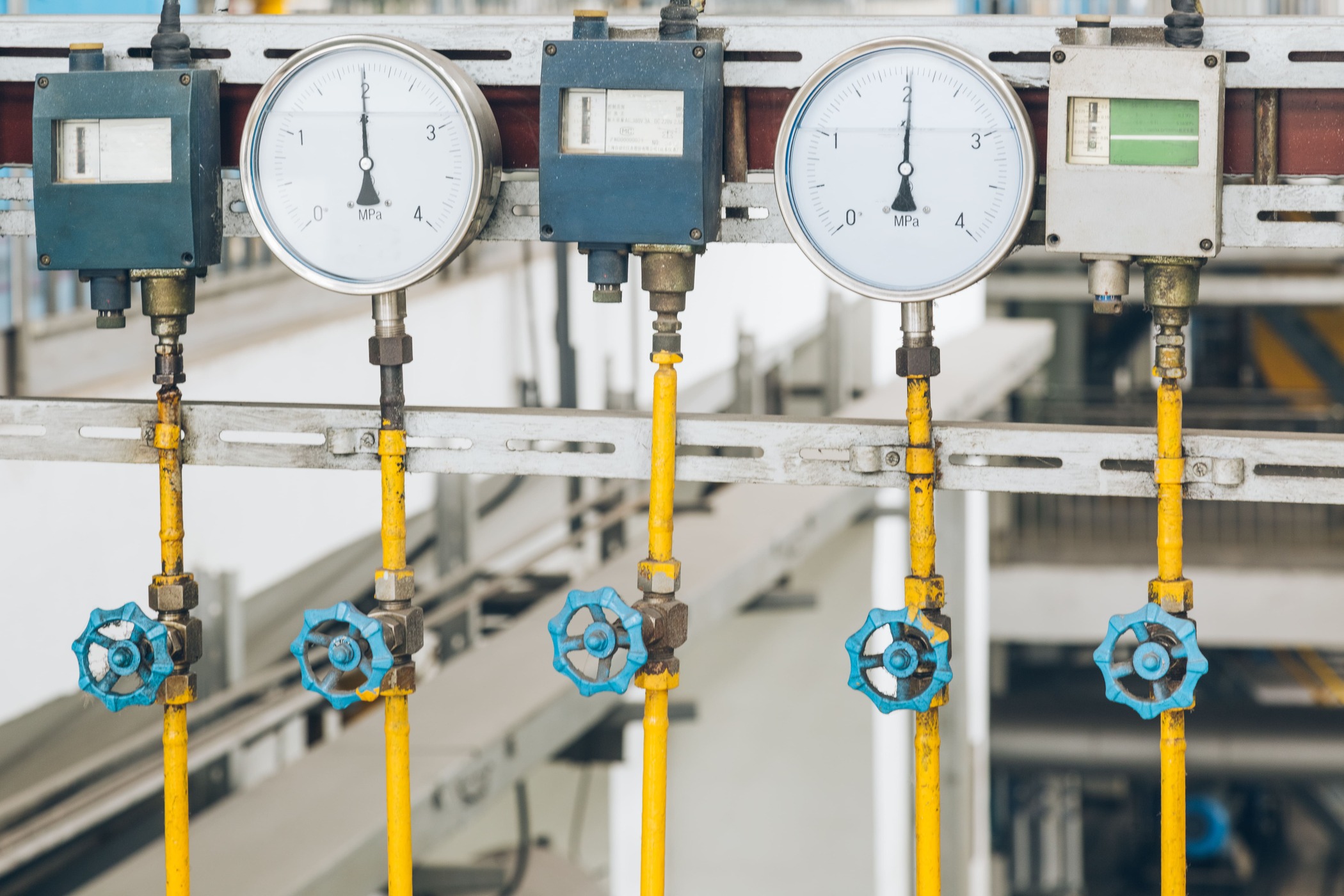
In industrial operations, accuracy is everything. Whether it is oil and gas, manufacturing, chemical processing, food production, pharmaceuticals, or heavy engineering, pressure measurement plays a critical role in maintaining safe and efficient operations. One small pressure reading error may appear insignificant at first, but across an entire production line, inaccurate readings can quickly create serious operational and financial consequences.
This is why pressure gauge calibration is one of the most important maintenance processes in industrial environments.
Unfortunately, many businesses only focus on pressure gauges when systems begin failing or production problems become obvious. By that stage, the hidden damage may already be affecting product quality, equipment performance, energy efficiency, and operational safety.
Pressure gauge calibration failures can lead to:
- Production inconsistencies
- Equipment damage
- Process instability
- Increased downtime
- Safety risks
- Higher operational costs
The worst part is that many calibration problems develop gradually, making them difficult to detect early without professional inspection and testing.
This guide explains why pressure gauge calibration matters, how calibration failures affect production lines, and why preventive calibration services are essential for industrial reliability.
What Is Pressure Gauge Calibration?
Pressure gauge calibration is the process of testing and adjusting a pressure gauge to ensure its readings match certified reference standards accurately.
Over time, industrial pressure gauges naturally drift away from their original accuracy because of:
- Continuous operation
- Mechanical wear
- Vibration
- Temperature fluctuations
- Moisture exposure
- Corrosive environments
- Pressure cycling
Calibration helps verify whether the gauge is still reading correctly within acceptable tolerances.
If a pressure gauge displays inaccurate values, operators may unknowingly make incorrect operational decisions based on false readings.
Why Pressure Accuracy Matters in Production Lines
Pressure systems control many critical industrial operations.
Pressure readings influence:
- Fluid movement
- Steam systems
- Hydraulic systems
- Gas flow
- Tank operations
- Production temperature control
- Equipment safety systems
Even slight pressure inaccuracies can affect process stability across an entire facility.
For example:
- Low pressure readings may cause operators to increase pressure unnecessarily
- High-pressure readings may trigger unnecessary shutdowns
- Incorrect pressure control may damage sensitive equipment
In automated production environments, precision becomes even more important because systems rely heavily on instrument feedback for process control.
Calibration Failures Often Start Small
One reason calibration issues are dangerous is that they usually develop gradually.
A pressure gauge may initially drift only slightly outside tolerance. Since production continues running, operators often assume everything is functioning normally.
Over time, however, small inaccuracies compound into larger operational problems such as:
- Reduced production efficiency
- Inconsistent product quality
- Increased energy consumption
- Equipment stress
Because the process deterioration happens slowly, businesses may not immediately connect these issues to calibration problems.
Production Quality Can Decline Without Accurate Pressure Control
Many industrial production processes require highly controlled pressure conditions.
Inaccurate pressure readings can affect:
- Product consistency
- Batch quality
- Chemical reactions
- Flow regulation
- Temperature stability
Industries such as pharmaceuticals, food processing, and chemical manufacturing rely heavily on precise operational parameters.
If pressure gauges fail calibration, product quality may become inconsistent even if the issue is not immediately visible.
This can eventually result in:
- Product rejection
- Waste generation
- Customer complaints
- Regulatory issues
Proper calibration helps maintain stable and repeatable production conditions.
Equipment Damage Is One of the Biggest Hidden Costs
Pressure systems are designed to operate within specific ranges.
Incorrect pressure readings may cause:
- Over-pressurization
- Mechanical strain
- Valve damage
- Pump stress
- Seal failure
- Pipe fatigue
Over time, this creates excessive wear on expensive industrial equipment.
In severe cases, pressure-related failures may even cause catastrophic equipment breakdowns.
Preventive calibration helps protect critical assets by ensuring systems operate within safe and intended parameters.
Downtime Becomes More Expensive Than Calibration
Some businesses postpone calibration because they want to avoid interrupting production temporarily.
However, unplanned downtime caused by pressure-related failures is almost always far more expensive.
Unexpected shutdowns may lead to:
- Production loss
- Delayed deliveries
- Emergency repairs
- Overtime labour costs
- Operational disruption
A single faulty pressure gauge can affect entire production systems if left unchecked.
Routine calibration is significantly more cost-effective than reactive emergency maintenance.
Worker Safety Depends on Reliable Pressure Readings
Industrial pressure systems can become dangerous when instrumentation is inaccurate.
Faulty pressure readings may increase the risk of:
- Pressure vessel failures
- Gas leaks
- Steam accidents
- Equipment rupture
- Hazardous process instability
Pressure gauges often serve as critical safety monitoring tools.
If gauges fail to display actual operating conditions accurately, operators may not react properly during abnormal situations.
Calibration helps maintain safer working environments by ensuring reliable operational visibility.
Pressure Gauge Failures Affect Energy Efficiency
Energy efficiency is another area heavily influenced by calibration accuracy.
Improper pressure control may cause:
- Excessive pump operation
- Higher compressor load
- Increased fuel usage
- Steam inefficiencies
- Process imbalance
Small pressure inefficiencies across multiple systems can significantly increase operational expenses over time.
Proper calibration supports optimized system performance and reduced energy waste.
Harsh Industrial Conditions Accelerate Gauge Drift
Industrial environments place constant stress on pressure gauges.
Common conditions include:
- High temperatures
- Corrosive chemicals
- Mechanical vibration
- Humidity
- Dust exposure
- Pressure fluctuations
These harsh conditions gradually reduce measurement accuracy.
This is why pressure gauges require regular inspection and recalibration instead of relying only on visible performance.
Even high-quality gauges eventually drift under demanding industrial conditions.
Regulatory Compliance Requires Accurate Calibration
Many industries operate under strict quality and safety regulations.
Calibration documentation is often necessary for:
- Safety audits
- ISO compliance
- Quality assurance systems
- Operational certifications
Failure to maintain proper calibration records may create:
- Compliance penalties
- Audit failures
- Operational risks
- Increased liability exposure
Professional calibration services help businesses maintain traceable records and compliance readiness.
Warning Signs Your Pressure Gauges Need Calibration
Several indicators may suggest pressure gauge calibration problems, including:
- Fluctuating readings
- Slow response times
- Inconsistent pressure values
- Frequent system alarms
- Unstable production conditions
- Visible physical damage
- Readings stuck at one value
If any of these signs appear, professional inspection should happen immediately.
Ignoring early warning signs usually increases repair and operational costs later.
Why Professional Calibration Services Matter
Professional calibration involves much more than basic testing.
Certified calibration specialists use:
- Traceable reference standards
- Precision calibration equipment
- Industry-approved procedures
- Detailed documentation systems
Professional services help identify:
- Instrument drift
- Mechanical deterioration
- Performance instability
- Potential failure risks
Experienced technicians also ensure calibration aligns with operational and regulatory requirements.
How Often Should Pressure Gauges Be Calibrated?
Calibration frequency depends on:
- Industry standards
- Operating conditions
- Process criticality
- Environmental exposure
- Manufacturer recommendations
Critical industrial systems often require more frequent calibration than lower-risk operations.
Professional calibration providers can help establish appropriate maintenance schedules based on operational requirements.
Preventive Calibration Supports Long-Term Operational Stability
Businesses that prioritize preventive maintenance usually experience:
- Lower downtime
- Better production consistency
- Improved equipment lifespan
- Higher operational efficiency
- Reduced emergency repair costs
Pressure gauge calibration should always be viewed as a preventive investment rather than an avoidable maintenance expense.
Accurate instrumentation supports the reliability of the entire production process.
Final Thoughts
Pressure gauge calibration failures can quietly damage production efficiency, product quality, equipment reliability, and workplace safety long before obvious system failures appear. In industrial environments where precision is essential, even small measurement inaccuracies can create costly long-term operational consequences.
Routine calibration helps businesses maintain stable production conditions, improve energy efficiency, reduce downtime risks, and protect valuable industrial equipment from unnecessary stress and failure.
At V Tech, professional calibration and industrial technical services are designed to help businesses maintain accurate, safe, and efficient operations across demanding industrial sectors. Their experienced team provides reliable pressure gauge calibration solutions that support operational precision, compliance, and long-term production reliability.

