

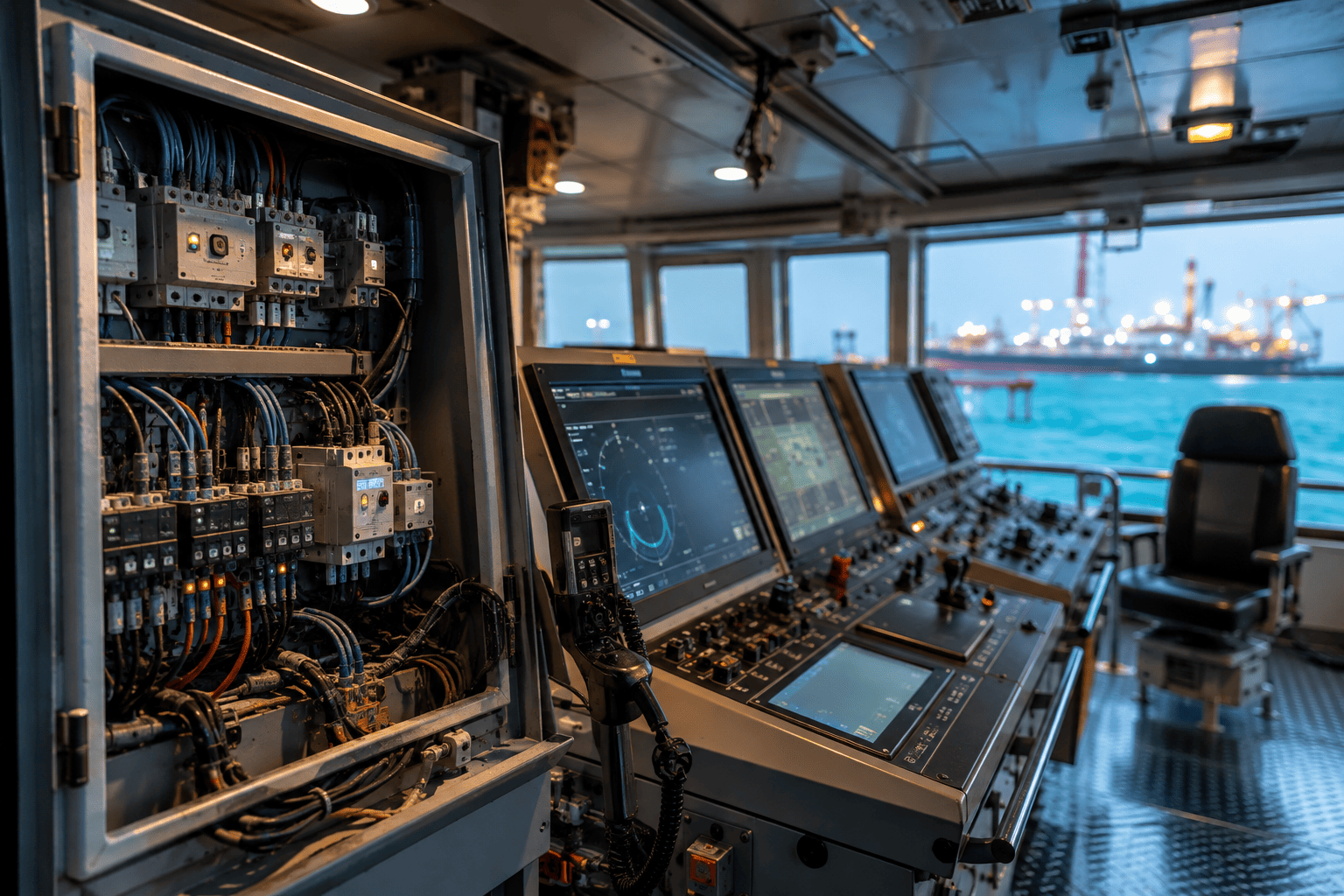
Marine vessels operating in the UAE face some of the harshest environmental conditions in the world. High temperatures, humidity, salt-laden air, and continuous exposure to seawater create a demanding environment for onboard automation systems. From offshore support vessels and cargo ships to luxury yachts and commercial boats, reliable automation is essential for safe navigation, efficient operations, and uninterrupted vessel performance.
Even the most advanced automation systems can experience failures if they are not designed, installed, or maintained to withstand these conditions. A single malfunction can disrupt propulsion control, monitoring systems, alarm functions, or engine operations, resulting in unexpected downtime and costly repairs.
Choosing an experienced marine automation company in the UAE and investing in professional marine automation services in the UAE can significantly reduce these risks. Understanding the most common automation failures and implementing preventive maintenance strategies helps vessel owners improve reliability, extend equipment lifespan, and ensure smooth operations.
In this guide, we’ll explore five common marine automation failures caused by the UAE’s challenging climate and the practical steps that can help prevent them.
Why the UAE Climate Challenges Marine Automation Systems
Marine automation systems are built to operate in demanding environments, but the UAE presents a unique combination of conditions that accelerate equipment wear.
Several environmental factors contribute to automation failures:
- High ambient temperatures throughout most of the year
- Salt-rich coastal air that accelerates corrosion
- High humidity levels are affecting sensitive electronics
- Constant vessel vibration during operation
- Exposure to seawater and moisture
- Fine dust and sand entering electrical enclosures
These conditions can gradually reduce the performance of controllers, sensors, wiring, communication systems, and electrical components if preventive measures are not taken.
Failure 1: Corrosion of Electrical Components
Corrosion is one of the leading causes of automation failures on marine vessels operating in the UAE.
Salt particles carried by sea air settle on electrical panels, connectors, terminals, and communication equipment. Over time, this leads to oxidation, increased electrical resistance, poor signal transmission, and component failure.
Common Signs
- Intermittent alarms
- Unstable sensor readings
- Loose electrical connections
- Rust or discoloration around terminals
- Frequent communication errors
How to Prevent It
Preventing corrosion starts with using marine-grade electrical components specifically designed for offshore environments.
Best practices include:
- Using corrosion-resistant connectors and terminals
- Applying protective coatings on electrical panels
- Inspecting wiring during routine maintenance
- Keeping control cabinets properly sealed
- Cleaning salt deposits before corrosion develops
Professional marine automation services in the UAE include regular inspections that identify corrosion before it causes major operational problems.
Failure 2: Overheating of Control Panels
The UAE’s extreme temperatures place significant stress on electrical control panels and automation equipment.
Even when equipment is installed inside enclosed control rooms, poor ventilation and excessive heat can reduce the lifespan of electronic components.
Overheated PLCs, HMIs, power supplies, and communication modules often experience unexpected shutdowns or performance instability.
Warning Signs
- Frequent controller resets
- Unexpected equipment shutdowns
- Error messages on control interfaces
- Slow response from automation systems
How to Prevent It
Temperature management is critical for reliable automation.
Recommended preventive measures include:
Install Proper Ventilation
Control cabinets should have adequate cooling and airflow.
Monitor Internal Temperatures
Temperature sensors can provide early warning before overheating becomes critical.
Keep Cooling Systems Clean
Blocked ventilation filters reduce cooling efficiency.
Avoid Overloaded Panels
Proper electrical load distribution prevents excessive heat generation.
Routine thermal inspections help identify hot spots before they damage critical equipment.
Failure 3: Sensor Malfunctions Due to Moisture and Humidity
Modern marine automation relies heavily on sensors for monitoring engine performance, fuel systems, tank levels, temperatures, pressures, and safety systems.
High humidity combined with moisture intrusion can affect sensor accuracy and reliability.
Moisture inside connectors may produce inaccurate readings, false alarms, or complete sensor failure.
Common Symptoms
- Inconsistent measurements
- False warning alarms
- Communication interruptions
- Sensor calibration drift
How to Prevent It
Protecting sensors from moisture requires careful installation and ongoing maintenance.
Effective solutions include:
- Waterproof cable glands
- Moisture-resistant sensor housings
- Regular calibration checks
- Inspection of cable connections
- Immediate replacement of damaged seals
Professional calibration ensures sensor accuracy remains within operational limits.
Failure 4: PLC and Communication Network Failures
Marine automation systems depend on reliable communication between programmable logic controllers (PLCs), remote input/output modules, monitoring systems, and operator interfaces.
Vibration, electrical interference, damaged cables, or environmental exposure may interrupt communication between these devices.
When communication fails, operators may lose visibility of important vessel systems.
Typical Indicators
- Loss of communication alarms
- Frozen operator displays
- Delayed control responses
- Network interruptions
- Missing process data
How to Prevent It
Reliable communication networks require both quality installation and preventive maintenance.
Recommended practices include:
Secure Cable Routing
Prevent vibration damage by properly supporting communication cables.
Inspect Network Components
Regularly examine switches, connectors, and communication modules.
Update Software
Keeping automation software updated improves reliability and cybersecurity.
Verify Communication Performance
Routine diagnostic testing identifies network issues before failures occur.
Working with a qualified marine automation company in UAE ensures communication systems remain stable under demanding operating conditions.
Failure 5: Poor Preventive Maintenance
Many automation failures occur not because equipment reaches the end of its life but because small problems go unnoticed.
Ignoring routine inspections often allows minor electrical faults, loose connections, worn components, or calibration issues to develop into costly breakdowns.
Preventive maintenance remains the most effective strategy for maximizing automation reliability.
Common Maintenance Oversights
- Skipping scheduled inspections
- Delaying software updates
- Ignoring alarm history
- Not testing emergency systems
- Operating damaged equipment
How to Prevent It
A structured maintenance program should include:
- Routine inspection schedules
- Functional testing of automation systems
- Sensor calibration
- Control panel cleaning
- Electrical connection tightening
- Backup verification
- Software maintenance
- Performance documentation
Regular servicing reduces emergency repairs while extending equipment life.
Why Preventive Maintenance Is More Cost-Effective Than Emergency Repairs
Unexpected automation failures often occur at the worst possible time, leading to operational delays, higher repair costs, and reduced vessel availability.
Preventive maintenance provides several long-term advantages.
Reduced Downtime
Identifying potential issues early minimizes unexpected equipment failures.
Longer Equipment Life
Proper maintenance reduces wear on sensitive automation components.
Improved Operational Safety
Reliable monitoring systems help maintain safe vessel operations.
Better Performance
Accurate sensors and stable communication improve automation efficiency.
Lower Repair Costs
Minor maintenance is significantly less expensive than replacing major control equipment.
For commercial operators, preventing failures is always more economical than responding to emergencies.
Best Practices for Reliable Marine Automation
Maintaining dependable automation requires a proactive approach throughout the vessel’s operating life.
Choose Marine-Grade Equipment
Components should be designed specifically for harsh marine environments.
Perform Routine Inspections
Regular inspections identify developing issues before failures occur.
Protect Electrical Enclosures
Proper sealing prevents dust, moisture, and salt intrusion.
Monitor Environmental Conditions
Temperature and humidity monitoring help protect sensitive electronics.
Train Vessel Personnel
Crew members should understand basic automation monitoring and early fault identification.
Partner With Experienced Specialists
Working with professionals offering marine automation services in the UAE ensures that maintenance procedures follow industry standards and manufacturer recommendations.
How Professional Marine Automation Support Makes a Difference
Marine automation systems are becoming increasingly sophisticated, integrating engine monitoring, power management, navigation support, alarm systems, and remote diagnostics into a single platform.
Maintaining these interconnected systems requires specialized expertise, diagnostic tools, and knowledge of marine regulations.
Professional engineers can:
Conduct Comprehensive System Health Checks
Routine assessments identify hidden issues before they impact operations.
Optimize System Performance
Proper calibration and configuration improve efficiency and accuracy.
Minimize Operational Risks
Early fault detection reduces the likelihood of unexpected breakdowns.
Support Compliance
Regular inspections help vessels maintain operational standards and documentation requirements.
Choosing experienced professionals provides confidence that automation systems will continue performing reliably even under the UAE’s demanding environmental conditions.
Building Long-Term Reliability at Sea
Marine automation is no longer limited to improving convenience—it has become an essential part of vessel safety, operational efficiency, and performance. While the UAE’s climate presents unique challenges, most automation failures can be prevented through proper system design, quality components, regular inspections, and scheduled maintenance.
By understanding the common causes of failures and implementing preventive strategies, vessel owners can reduce downtime, improve equipment reliability, and protect their investment for years to come.
Conclusion
Reliable marine automation starts with proactive planning rather than reactive repairs. Addressing issues such as corrosion, overheating, moisture intrusion, communication failures, and inconsistent maintenance helps ensure that onboard systems continue to perform efficiently in the UAE’s demanding marine environment. A preventive approach not only improves vessel reliability but also enhances safety, operational continuity, and long-term cost efficiency.
At V Tech Group, we provide end-to-end marine automation services in UAE tailored to the needs of commercial vessels, offshore assets, and marine operators. As a trusted marine automation company in UAE, our experienced engineers deliver advanced automation solutions, system upgrades, diagnostics, commissioning, and preventive maintenance designed to keep your vessel operating at peak performance. Whether you’re modernizing an existing system or planning a new marine automation project, our team is committed to delivering dependable solutions that support safe and efficient operations on every voyage.

