

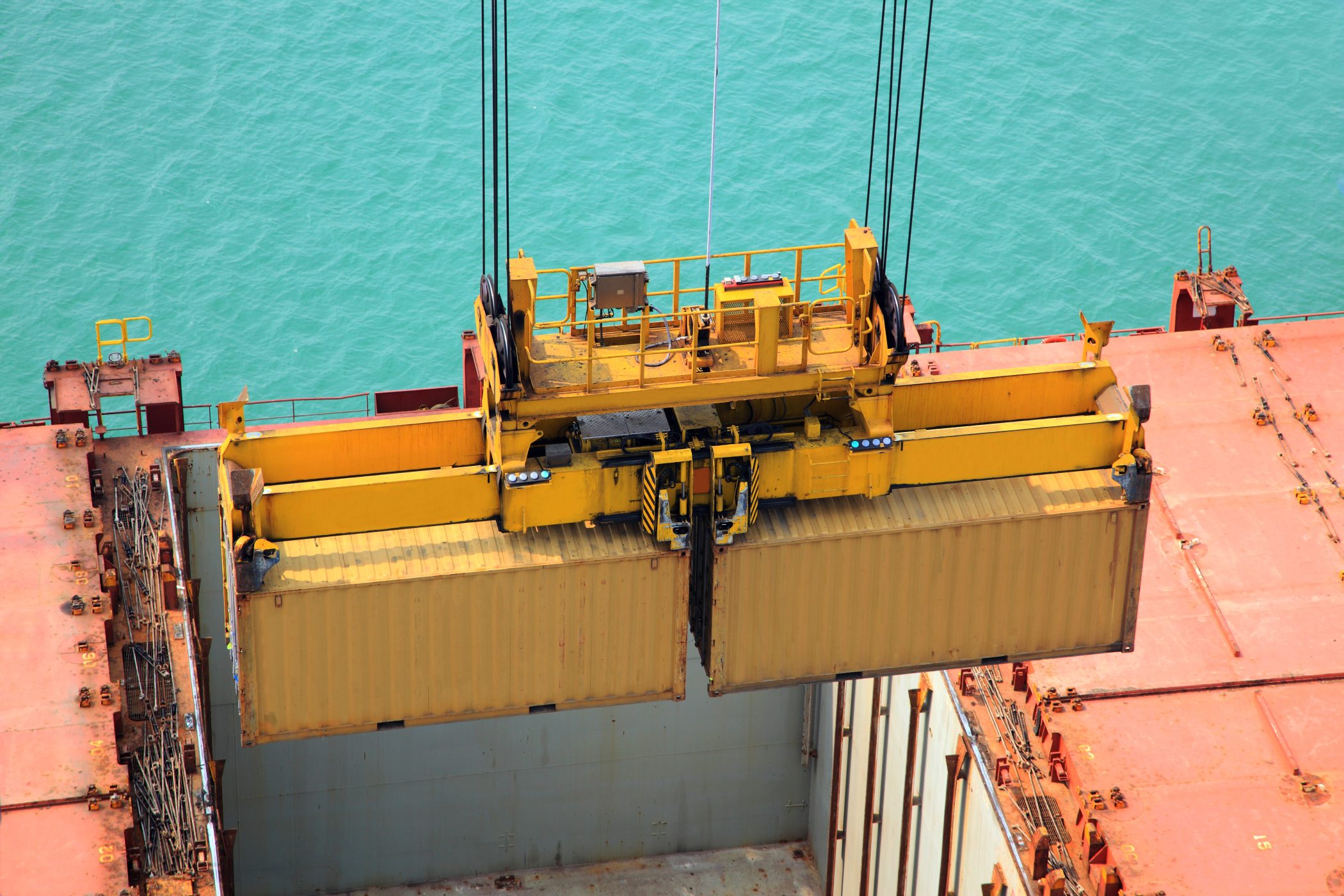
The UAE’s maritime sector is among the most dynamic in the world. With Jebel Ali consistently ranked among the top ten busiest container ports globally, Fujairah serving as the world’s second-largest bunkering port, and busy marine traffic across the Arabian Gulf, the Red Sea approaches, and the Gulf of Oman, maintaining a large and diverse fleet of commercial, tanker, offshore support, and pleasure vessels in seaworthy and compliant condition is a significant operational challenge.
At the heart of vessel maintenance lies one unavoidable requirement: the dry dock. Every commercial vessel must periodically leave the water to allow inspection and maintenance of its underwater hull, propulsion systems, and fittings — work that cannot be carried out afloat. Understanding the dry docking process, planning effectively for it, and choosing the right engineering partners to support it is critical to managing vessel maintenance costs, minimising off-hire time, and ensuring that vessels emerge from dry dock in full compliance with classification society requirements.
Understanding Dry Docking: More Than Just Painting the Hull
Many vessel operators, particularly those newer to fleet management, initially think of dry docking primarily in terms of hull cleaning and anti-fouling paint application. These are indeed important activities, but they represent only a fraction of the work that a well-planned dry dock period should accomplish.
A comprehensive dry dock scope is developed from several inputs: the classification society’s upcoming survey requirements (which vary with vessel age and survey history), the defect list accumulated since the last dry dock, planned life-extension or upgrade works, and recommendations from the vessel’s technical management team based on condition monitoring data and operational experience. The result is typically a multi-week programme of coordinated work involving the dry dock facility’s own workforce, the vessel’s crew, specialist service engineers, and classification society surveyors.
Hull Works
The vessel’s underwater hull is cleaned using high-pressure water jetting, rotating brushes, or grit blasting depending on the condition of existing coatings and the specification for new coatings. Hull steel condition is assessed — thickness measurements are taken at specified locations to detect corrosion-related steel wastage, and any areas found below the minimum acceptable thickness are renewed. New anti-corrosion and anti-fouling coatings are applied in the specified sequence and thickness. Sacrificial anodes are renewed. Sea chests — the openings through the hull that admit seawater for cooling and firefighting systems — are cleaned, inspected, and their grids renewed if required.
Propulsion and Steering
The propeller and propeller shaft are withdrawn for inspection of blade condition, pitch, and dynamic balance. Stern tube seals — the critical seals that prevent seawater ingress along the propeller shaft — are inspected and typically renewed at every dry dock. Rudder bearings are measured for wear clearances and renewed if beyond limits. If the vessel is fitted with a bow thruster, this too is withdrawn for inspection. The propeller boss cap fins (if fitted) are inspected and renewed.
Seawater System Components
All sea valves — the stop valves controlling seawater flow through hull penetrations — are withdrawn, inspected, and reconditioned or renewed. These valves are critical components: if a sea valve fails open while afloat, the result can be rapid flooding. The classification society surveyor will typically witness sea valve survey and issue a certificate for each valve inspected. Cooling water inlet filters (Kingston valves and strainers) are cleaned and inspected. Underwater hull fittings including echo sounder transducer housings, speed log transducers, and anode mounting studs are inspected and renewed as required.
Class Survey Requirements
The classification society’s periodic survey requirements are the non-negotiable driver of dry dock timing and scope. The two key surveys conducted at dry dock are the Intermediate Survey (typically at 2.5 years from the previous Special Survey) and the Special Survey (conducted every five years). The Special Survey is the most comprehensive — it includes detailed hull steel thickness measurement, internal inspection of cargo holds or tanks, survey of machinery items including main engine cylinder liners, bearings, and safety devices, and re-certification of the vessel’s safety equipment.
Failure to complete required surveys within the specified timeframes results in the vessel’s class being suspended. A vessel without a valid class certificate cannot legally trade and, critically, cannot obtain or maintain P&I insurance coverage. The financial and reputational consequences of a class suspension are severe, making proactive planning of dry dock periods against survey due dates an essential fleet management function.
Voyage Repairs: Maintaining Vessels Between Dry Docks
Not every defect, maintenance requirement, or system upgrade requires a dry dock. A large and important category of vessel maintenance work can be carried out while the vessel is afloat — in port, at anchor, or in some cases while underway. These afloat or voyage repairs are a critical complement to dry docking, keeping vessels operational and in good technical condition between scheduled dry dock periods.
Navigation and Communication Systems
Navigation and communication systems require regular maintenance and periodic upgrades driven both by equipment lifecycle and by regulatory change. The Global Maritime Distress and Safety System (GMDSS) requirements, for example, have evolved through a major modernisation programme that requires vessels to update or replace specific equipment categories. AIS transponders, ECDIS systems, GPS receivers, radar systems, and satellite communication terminals are all components that can be serviced or replaced while the vessel is afloat.
V-Tech Group’s navigation and communication engineering team provides voyage repair services across UAE ports including Fujairah, Dubai, Sharjah, and Hamriyah. Our engineers are approved service agents for major marine electronics manufacturers and can perform warranty and out-of-warranty repairs, software updates, and equipment replacements with short notice periods. For vessels that have suffered navigation or communication equipment failures at sea, we offer rapid response support to minimise port delays.
Electrical and Instrumentation Systems
Electrical defects aboard vessels range from straightforward cable repairs and lighting replacements to complex faults in power management systems, motor control equipment, and automation systems. Instrumentation defects — faulty sensors, failed transmitters, calibration drift in monitoring instruments — can affect the reliability of alarm and monitoring systems that are required by class to be maintained in operational condition.
V-Tech Group’s marine electrical and instrumentation engineers carry comprehensive spare parts inventories for the most common marine electrical and instrumentation equipment, enabling rapid defect rectification. For more complex faults involving automation systems or integrated ship management systems, our automation engineers have experience with the major marine PLC and IAS platforms and can diagnose and resolve faults that would otherwise require the vessel to divert or wait for manufacturer support.
Engine Room Maintenance
While major engine overhauls are typically planned for dry dock periods, much engine room maintenance — pump overhauls, heat exchanger cleaning, filter element replacements, safety valve testing, and minor pipe and valve repairs — can be carried out afloat. Proactive planning of voyage repair opportunities to address accumulating engine room defects avoids the risk of critical equipment failures at sea and reduces the scope of work required at dry dock.
The UAE as a Regional Hub for Marine Repairs
The UAE’s geographic position at the intersection of the Arabian Gulf, the Indian Ocean trade routes, and the approaches to the Suez Canal makes it a natural hub for marine repair services. Vessels trading between Europe, Asia, and the Gulf routinely call at UAE ports for bunkering, cargo operations, and crew changes — creating repair opportunities that a well-organised technical management operation should plan proactively.
The UAE hosts several significant ship repair facilities including Drydocks World in Dubai, NASSCO in Abu Dhabi, and yard facilities at Hamriyah, Ajman, and Fujairah. Each facility has different capabilities in terms of the vessel sizes they can accommodate, the trades they have available, and their equipment — and the availability of berths at these facilities, particularly for planned dry docks of large vessels, requires booking well in advance.
V-Tech Group’s service network spans all major UAE ports and maintains rapid response capability at each location. Our geographic presence allows us to mobilise engineers to arriving vessels with minimal delay, provide continuity of service across port calls at different UAE locations, and coordinate efficiently with both ship operators and repair yard management teams.
Planning and Cost Management
Dry docking is a significant cost event for any vessel, and effective cost management begins long before the vessel enters the dock. A detailed, well-researched job specification provided to competing yards allows apples-to-apples comparison of quotations and reduces the risk of expensive ‘extras’ when defects are found during work that was not specifically described in the spec. Maintaining ongoing records of vessel condition — steel thickness measurements, equipment inspection records, defect lists, and survey due dates — allows the dry dock scope to be planned systematically rather than reactively.
V-Tech Group works with vessel operators to develop comprehensive dry dock specifications for our areas of technical expertise — navigation and communication systems, electrical and instrumentation works, automation and control systems, and marine elevator maintenance. We can provide scope development, vendor coordination, supervision, and commissioning support as part of an integrated dry dock support service.
Conclusion
Dry docking and voyage repairs are not simply maintenance obligations — they are the primary mechanism through which vessel operators protect their assets, ensure compliance with classification and flag state requirements, maintain the safety of crews and cargoes, and preserve the commercial viability of their fleets. In the UAE’s busy and competitive maritime environment, where vessels face demanding operating conditions and strict compliance scrutiny, partnering with experienced marine engineering specialists for both planned dry docks and voyage repair support is an investment in operational certainty.

