

Fire hazards are one of the biggest risks in industrial environments, especially in sectors like oil & gas and manufacturing, where flammable materials, high temperatures, and complex machinery are part of daily operations. In the UAE, where industries operate under strict safety regulations, conducting a proper industrial fire risk assessment is not just a best practice — it is a legal and operational necessity.
A well-planned fire risk assessment helps identify potential hazards, evaluate risks, and implement preventive measures before incidents occur. This guide walks you through a step-by-step approach to performing an effective fire risk assessment for industrial facilities across the UAE, customized for high-risk industries.
Why Fire Risk Assessment Is Critical in Industrial Facilities
Industrial facilities handle hazardous materials, pressurized systems, and heavy equipment — all of which significantly increase the risk of fire incidents. In sectors like oil and gas, even a minor spark can lead to major consequences.
The UAE has strict regulations, such as the UAE Fire and Life Safety Code of Practice, that require businesses to conduct regular fire risk assessments and maintain safety compliance.
A thorough fire risk assessment for industrial operations in the UAE helps businesses:
- Identify fire hazards before they escalate
- Protect workers, assets, and operations
- Ensure compliance with UAE Civil Defense regulations
- Reduce downtime and financial losses
- Improve emergency preparedness
Step-by-Step Industrial Fire Risk Assessment Guide
To conduct a comprehensive fire risk assessment, UAE industrial companies must follow a structured process. Below is a practical step-by-step breakdown.
Step 1: Identify Fire Hazards
The first step is to recognize all possible fire risks within the facility.
In industrial environments, common hazards include:
- Flammable liquids and gases (especially in oil & gas facilities)
- Electrical equipment and faulty wiring
- Heat-generating machinery
- Chemical storage and reactions
- Dust accumulation in manufacturing plants
Industrial hazard classification is often based on the type and quantity of combustible materials and how quickly a fire can spread. Understanding these risks forms the foundation of any effective fire risk assessment process.
Step 2: Analyze Who and What Is at Risk
Once hazards are identified, the next step is to evaluate who might be affected.
This includes:
- Employees working in high-risk zones
- Maintenance teams and contractors
- Visitors and external personnel
- Critical infrastructure and equipment
For example, in oil storage facilities, authorities assess factors such as proximity to other structures, emergency access routes, and safety clearance zones. This step ensures that all people and assets are accounted for before moving forward in the assessment.
Step 3: Evaluate Risk Levels and Fire Scenarios
Not all hazards carry the same level of risk. Some may lead to minor incidents, while others can cause large-scale damage.
At this stage, risks are evaluated based on:
- Likelihood of occurrence
- Severity of impact
- Speed of fire spread
- Availability of control measures
Industries like petrochemicals and gas processing often require advanced risk analysis because of high ignition potential and explosion risks. This evaluation helps prioritize which actions need to be addressed most urgently.
Step 4: Review Existing Fire Protection Systems
A key part of any industrial fire risk assessment is examining the fire safety measures already in place.
These may include:
- Fire alarm and detection systems
- Fire suppression systems (sprinklers, foam systems, gas suppression)
- Emergency shutdown systems
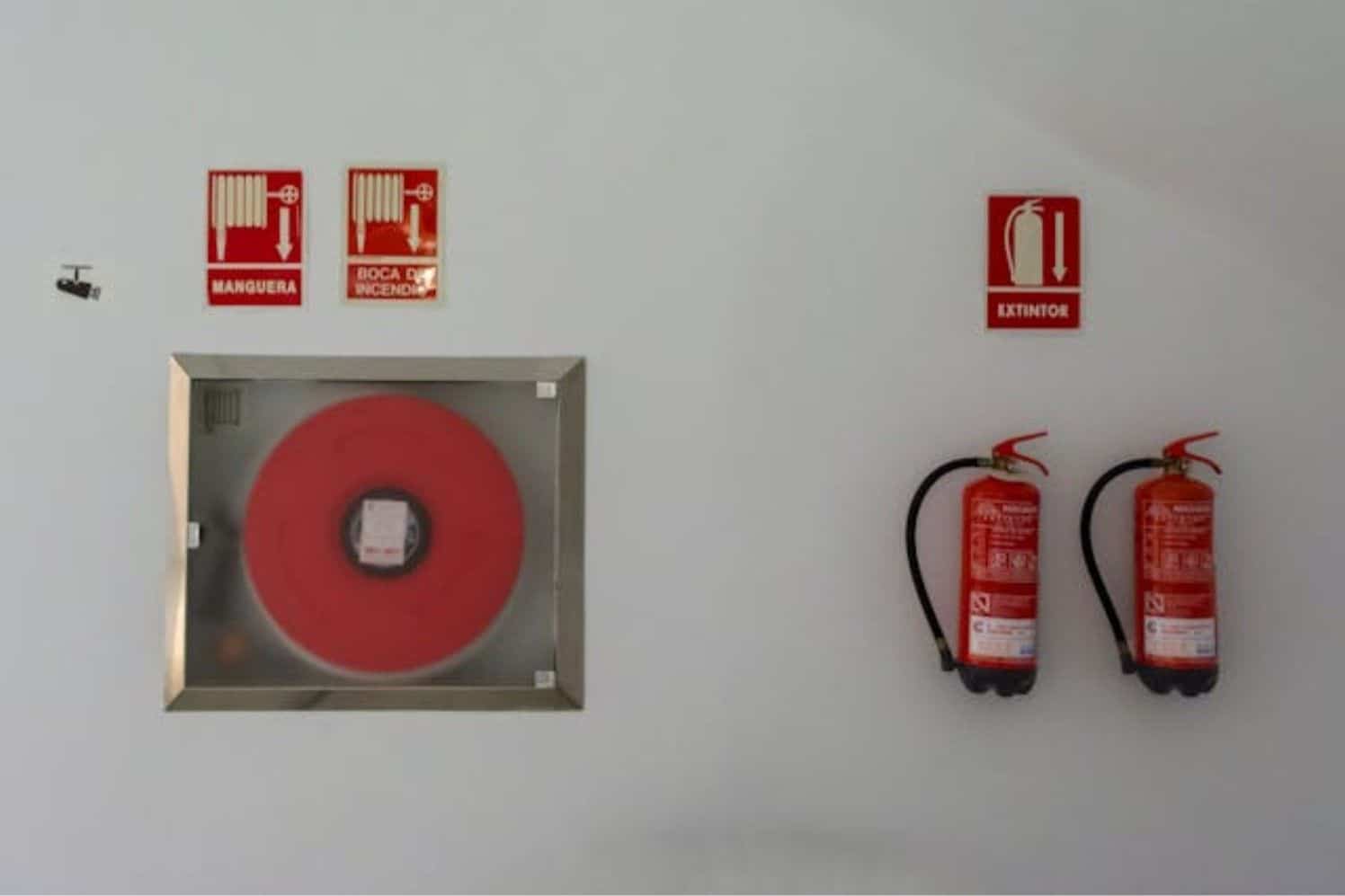
- Fire extinguishers and hydrants
- Safety signage and evacuation routes
In UAE industrial projects, fire protection systems must follow international standards such as NFPA and ISO, along with local Civil Defense approvals. Assessing these systems ensures they are adequate and functioning properly.
Step 5: Implement Risk Control Measures
After identifying and evaluating risks, the next step is to apply control measures to reduce or eliminate hazards.
These may include:
- Installing explosion-proof equipment in hazardous zones
- Improving ventilation systems
- Segregating flammable materials
- Upgrading fire detection and suppression systems
- Implementing emergency shutdown systems
For example, in oil & gas facilities, emergency shutdown systems can automatically stop operations and prevent fire escalation during critical situations. Applying these measures strengthens the overall fire safety framework of any industrial facility.
Step 6: Develop Emergency Response Plans
Even with preventive measures, emergencies can still occur. That’s why a clear response plan is essential.
An effective emergency plan should include:
- Evacuation procedures and routes
- Fire drill protocols
- Roles and responsibilities of staff
- Communication systems during emergencies
- Coordination with UAE Civil Defense authorities
Fire safety training is mandatory in many UAE industries to ensure employees can respond quickly and safely during incidents.
Step 7: Documentation and Compliance
Every industrial fire risk assessment conducted in the UAE must be properly documented to meet regulatory requirements.
A complete report typically includes:
- Identified hazards and risk analysis
- Existing safety measures
- Recommended improvements
- Action plans and timelines
- Compliance with UAE regulations
This documentation is essential for inspections, audits, and regulatory approvals — and it demonstrates that the facility meets the required safety standards.
Step 8: Regular Review and Updates
Fire risk assessment is not a one-time activity. It must be reviewed regularly to remain effective.
Assessments should be updated when:
- New equipment or processes are introduced
- Facility layout changes
- Safety incidents occur
- Regulatory requirements are updated
In the UAE, periodic reviews — often annually — are recommended to ensure ongoing compliance and operational safety.
Key Challenges in Industrial Fire Risk Assessment
Industries such as oil, gas, and manufacturing face unique challenges, including:
- Handling highly flammable materials
- Operating in extreme temperatures
- Managing complex machinery and processes
- Ensuring compliance with multiple regulatory bodies
These challenges make professional expertise essential when conducting a detailed fire risk assessment in UAE industrial settings.
Why Professional Expertise Matters
Fire risk assessment in industrial environments requires technical knowledge, experience, and a thorough understanding of local regulations.
Professional service providers help businesses:
- Conduct accurate risk evaluations
- Design compliant fire protection systems
- Ensure approvals from UAE authorities
- Maintain ongoing safety standards
For companies operating in high-risk sectors, working with experienced specialists ensures that safety measures are both effective and fully compliant with UAE Civil Defense requirements.
Conclusion
Fire safety is a critical aspect of industrial operations in the UAE, particularly in sectors like oil & gas and manufacturing. A structured, step-by-step industrial fire risk assessment helps identify hazards, reduce risks, and ensure compliance with the country’s strict safety regulations.
From hazard identification to regular reviews, following this process enables businesses to create safer work environments, protect valuable assets, and avoid costly disruptions.
For organizations looking to implement reliable fire safety solutions, expert support from companies like V-Tech can help ensure that industrial facilities meet the highest safety standards while maintaining efficient operations.
Tags:

