

Fire safety on commercial marine vessels is one of the most critical aspects of maritime operations. Ships face unique challenges due to confined spaces, fuel storage, electrical systems, and constant movement, all of which increase the risk of fire. This blog explains how fire safety systems protect commercial vessels from major risks, the types of fire hazards they prevent, how different systems work together, and why regular inspection and maintenance are essential. By the end of this article, you will understand the key components of marine fire safety, how these systems detect and suppress fire, and the value they provide in saving lives, cargo, and assets at sea.
Why Fire Safety Matters on Commercial Marine Vessels
Commercial ships operate in environments where a single fire can quickly become catastrophic. Unlike buildings on land, a vessel at sea cannot evacuate people easily or access external firefighting resources quickly. This makes fire safety systems essential for:
- Protecting crew members and passengers
- Preventing loss of cargo and vessel structure
- Reducing downtime and financial loss
- Meeting international maritime safety regulations
Without proper fire safety equipment, even a small electrical spark or fuel leak can escalate into a major disaster.
Common Fire Risks on Marine Vessels
Before exploring how fire safety systems work, it is important to understand the typical fire hazards on ships:
1. Fuel and Oil Fires
Marine vessels carry large quantities of fuel and oil, which are highly flammable. A leak or accidental ignition can cause intense fires.
2. Electrical Fires
Electrical equipment, wiring faults, and overloaded circuits may trigger fires, especially in machinery spaces and control rooms.
3. Engine Room Fires
The engine room houses powerful machinery, hot surfaces, and flammable fluids. A malfunction or overheating engine can spark a fire.
4. Galley and Cooking Fires
Cooking areas onboard commercial vessels are active and pose fire hazards due to open flames, hot surfaces, and grease buildup.
5. Cargo Fires
Certain cargo types, such as chemicals or flammable materials, require special handling and fire protection systems to prevent combustion.
Knowing these common fire risks highlights why strong fire safety systems are essential for every marine vessel.
Core Fire Safety Systems on Marine Vessels
Modern commercial ships are equipped with a range of fire safety systems designed to detect, suppress, and control fires quickly. These systems play a crucial role in avoiding major incidents.
1. Fire Detection Systems
Fire detection systems are the first line of defense. They help discover fire early, allowing crew members to act before the blaze spreads.
Key components include:
- Smoke detectors: Sense smoke particles in cabins, hallways, and machinery spaces
- Heat detectors: Trigger alarms when temperature reaches dangerous levels
- Flame detectors: Detect visible fire or infrared energy from flames
- Manual call points: Allow crew to trigger alarms immediately
Early detection gives valuable time to activate suppression systems before the fire grows out of control.
2. Fixed Fire Suppression Systems
Once fire is detected, suppression systems aim to control or extinguish it effectively.
Types of suppression systems:
- Water Mist Systems: These release fine water droplets that absorb heat and reduce oxygen around the fire without causing water damage. They are suitable for engine rooms and accommodation areas.
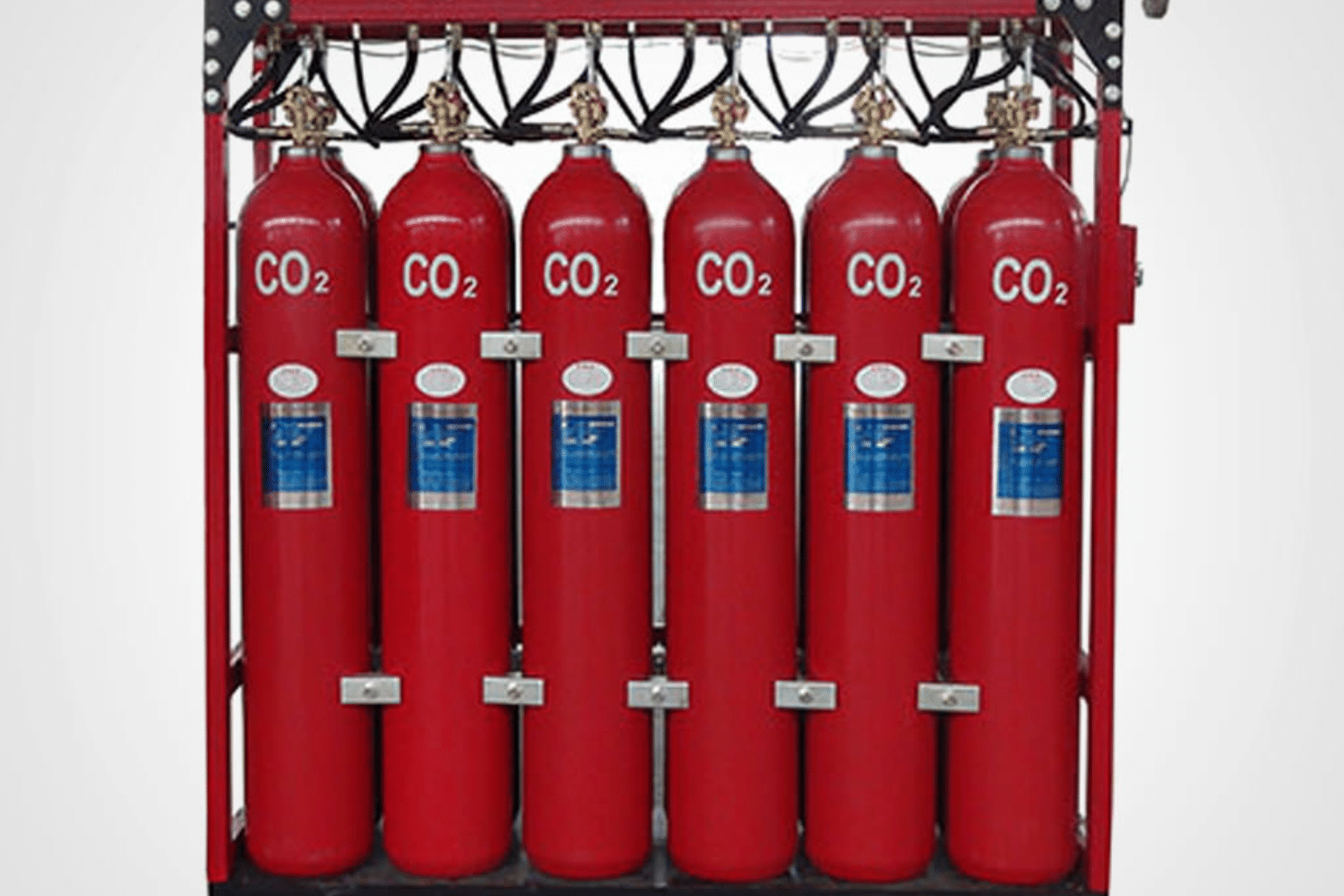
- CO2 Flooding Systems: Carbon dioxide displaces oxygen and suffocates fire. This system is effective in enclosed spaces but must be used carefully to ensure crew safety.
- Foam Systems: Foam creates a barrier between the fuel surface and air, preventing flames from spreading. Foam systems are commonly used for fuel storage and deck areas.
- Dry Chemical Systems: These use powdered agents that interrupt the chemical reactions that sustain fire. They are useful in electrical and machinery compartments.
Each type of suppression system has its own strengths and applications, making them suitable for different fire scenarios onboard.
3. Portable Fire Extinguishers
In addition to fixed systems, portable fire extinguishers serve as essential tools for the crew to manage small fires before they escalate.
Common classes of extinguishers include:
- Water extinguishers: For ordinary combustible materials
- CO2 extinguishers: Best for electrical fires
- Dry chemical extinguishers: Work on multiple fire types
- Foam extinguishers: For flammable liquids
Proper training ensures crew members use the correct extinguisher for each fire type.
4. Fire Doors and Fire-Resistant Barriers
Fire doors and fire-resistant partitions limit the spread of fire and smoke. These barriers compartmentalize the vessel, making it easier to isolate the fire and protect escape routes.
How Fire Safety Systems Work Together
Fire safety systems are most effective when they operate together as an integrated safety network. Here’s how they protect your vessel:
Early Detection
Sensors immediately recognize smoke, heat, or flames and alert crew members through alarms and control panels.
Immediate Response
Automated suppression systems activate based on sensor input, reducing fire growth before anyone is at risk.
Manual Intervention
Crew members use portable extinguishers and fire control tools to manage the situation safely.
Containment
Fire doors and barriers prevent fire and smoke from traveling to other compartments, protecting people and valuable equipment.
This coordinated approach ensures that fire is detected early, suppressed quickly, and contained effectively.
Maintenance and Regular Inspection – A Key Requirement
Even the best fire safety system cannot operate properly without regular maintenance. Vessels must perform periodic checks, including:
- Testing smoke and heat detectors
- Inspecting suppression system cylinders and valves
- Testing alarms and control panels
- Servicing portable extinguishers
- Ensuring fire doors close and seal properly
Regular inspection keeps systems reliable and ensures compliance with international safety standards.
Crew Training and Emergency Drills
Fire safety technology is only as effective as the people who use it. Training crew members to:
- Recognize fire hazards
- Operate detection and suppression systems
- Conduct emergency evacuation
- Use fire-fighting tools correctly
This training enhances readiness and ensures a swift and effective response to fire incidents.
Conclusion
Fire safety systems are a critical part of protecting commercial marine vessels from major risks. From early detection through sophisticated suppression to containment and crew action, these systems work together to save lives, protect valuable assets, and ensure continuous operations at sea. Regular maintenance and proper training are equally important to keep these systems ready for action when needed.
Investing in advanced fire safety systems not only meets regulatory requirements but also gives ship operators peace of mind, knowing they are prepared for emergencies. For reliable fire safety solutions, expert consultation, and professional support in marine safety systems, trust V-Tech Group to help you protect your vessel and crew from the most serious risks at sea.
Tags:

