

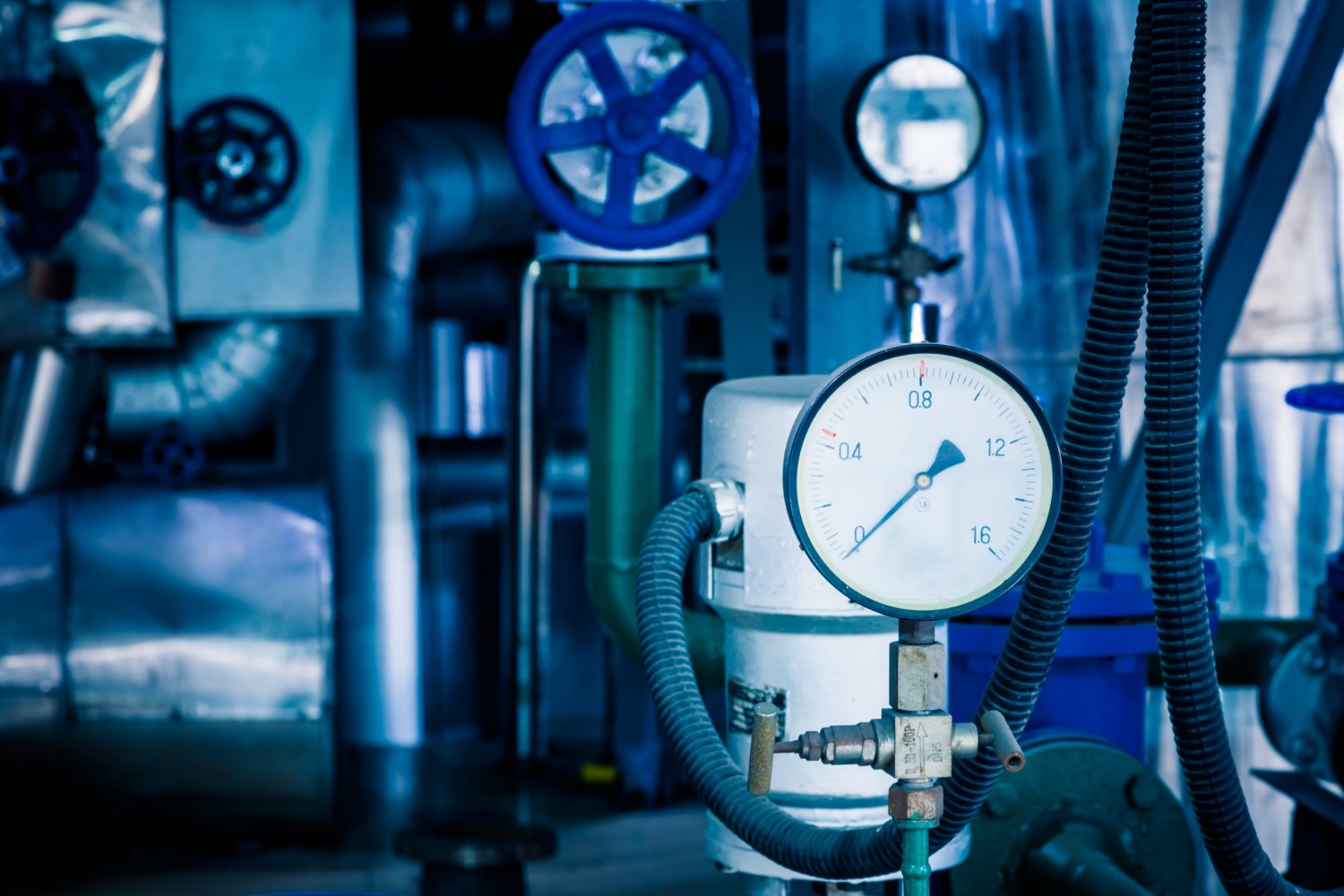
Flow meters play a major role in both industrial processes and marine operations by measuring the movement of liquids and gases. However, without proper calibration, these devices can give inaccurate results, affecting production, safety, and operational efficiency. This blog explains why flow meter calibration is critical, how it impacts process and marine applications, the risks of using uncalibrated instruments, and best practices for effective calibration and maintenance. By the end of this article, you will understand the importance of calibration, how it ensures accuracy and reliability, and the benefits it brings to industrial and marine systems.
Understanding Flow Meters and Calibration
A flow meter is a device used to measure the flow rate of liquids or gases passing through a pipeline. These measurements are essential for process monitoring, cost control, safety, and data reporting. However, flow meters can slowly drift from their original accuracy due to factors such as wear and tear, environmental changes, or long periods of use.
Calibration is the process of comparing the flow meter’s readings against a known standard and adjusting them to match the correct values. Regular calibration ensures that the measurements are accurate, reliable, and consistent.
Why Accuracy Matters in Process and Marine Environments
Both process industries and marine operations depend on accurate flow measurement for several reasons:
1. Product Quality and Consistency
In manufacturing and processing plants, precise flow measurements ensure that the right amount of raw material mixes into the final product. Incorrect measurements can lead to:
- Poor product quality
- Waste of raw materials
- Rework and increased production costs
2. Regulatory Compliance
Many industries must meet legal standards for environmental reporting, wastewater discharge, fuel usage, and emissions. Inaccurate flow data can lead to non-compliance, fines, or operational restrictions.
3. Safety and Risk Management
In marine environments, inaccurate flow readings can impact fuel systems, ballast water control, and chemical dosing. These errors can lead to:
- Fuel shortages
- Imbalanced weight distribution
- Unsafe vessel conditions
Accurate flow measurement is therefore critical for safety and stability.
4. Cost Control and Efficiency
When flow meters are calibrated correctly:
- Fuel consumption is tracked accurately
- Production losses are minimized
- Maintenance scheduling becomes more predictable
This helps organizations save money and optimize operations.
The Risks of Operating Without Calibration
Using flow meters that are not calibrated, or have not been calibrated for long periods, can lead to serious problems:
1. Measurement Drift
Over time, flow meters may shift from their original accuracy. This leads to:
- Overestimation or underestimation of flow rates
- Incorrect data is being fed into monitoring systems
- Faulty decision-making based on misleading information
2. Increased Downtime
Without proper calibration, flow meters may fail unexpectedly, forcing unscheduled shutdowns and costly repairs.
3. Poor Inventory Control
Inaccurate flow readings can distort inventory records, cause supply shortages, and disrupt logistics.
4. Safety Hazards
In marine applications, improper measurements can cause boiler inefficiencies, fuel imbalance, or incorrect dosing of fire-fighting systems, all of which pose serious safety risks.
How Flow Meter Calibration Works
Calibration involves several important steps to ensure that a flow meter measures accurately:
1. Establishing a Reference Standard
A known and trusted standard device is used as a benchmark. This standard provides the true measurement against which the flow meter is tested.
2. Testing Across Flow Range
A proper calibration checks the flow meter’s performance at different flow rates — from low to high. This determines whether the meter is accurate throughout the entire range of operation.
3. Adjusting the Meter
If the meter’s readings differ from the standard, adjustments are made so that the flow meter aligns with the correct values.
4. Certification and Documentation
Once calibrated, the flow meter should receive a calibration certificate showing its accuracy and test results. This documentation is important for quality assurance, audits, and regulatory compliance.
Types of Flow Meters That Need Calibration
Many types of flow meters are used in process and marine applications, and most require regular calibration:
- Electromagnetic flow meters: ideal for conductive liquids
- Ultrasonic flow meters: used for non-invasive measurement
- Turbine flow meters: common in fuel and hydraulic systems
- Coriolis flow meters: high-precision devices for mass flow measurement
- Vortex flow meters: suitable for steam and gas measurement
Each type has its own calibration requirements depending on its design and operating conditions.
Best Practices for Flow Meter Calibration
To ensure accurate flow measurement, follow these steps:
1. Set a Regular Calibration Schedule
Calibration should be done periodically based on:
- Manufacturer recommendations
- Operating conditions
- Frequency of use
- Regulatory requirements
A common practice is to calibrate at least once a year, but more frequent checks may be needed in harsh environments.
2. Use Certified Calibration Facilities
Calibration should be performed by trained technicians using traceable standards. Certified calibration ensures that the measurement accuracy is documented and verified.
3. Keep Calibration Records
Maintain detailed records of all calibration activities, including:
- Calibration date
- Results and adjustments made
- Technician details
- Calibration certificate number
These records help with audits, maintenance planning, and performance tracking.
4. Train Technicians and Operators
Ensure that staff understand how to interpret flow meter data and recognize when a meter might be drifting from normal values.
Benefits of Proper Calibration
When flow meters are calibrated correctly, organizations gain several advantages:
- Accurate Process Control: Ensures products meet quality standards.
- Operational Efficiency: Reduces waste and improves resource management.
- Safety Assurance: Prevents hazardous situations in marine and industrial systems.
- Regulatory Compliance: Helps meet environmental and reporting standards.
- Reduced Maintenance Costs: Predictable calibration reduces unexpected failures.
Conclusion
Flow meter calibration is not just a technical task but it is a critical process that safeguards accuracy, efficiency, safety, and compliance in both industrial and marine applications. From maintaining product quality to ensuring safe vessel operations, proper calibration protects operations from risks that can be costly or dangerous. Regular calibration, performed by certified technicians and documented clearly, ensures that flow measurement remains reliable and trusted.
Failing to calibrate flow meters can lead to incorrect data, unnecessary expenses, compliance issues, and operational hazards. By investing in regular calibration and proper maintenance, organizations improve performance, trust in their data, and long-term cost savings.
For expert flow meter calibration services, professional support, and reliable maintenance solutions tailored to process and marine systems, trust V-Tech Group to help keep your operations accurate, safe, and efficient.
Tags:

